Tropical Harmony Geometry and Floral
A Designer’s First Look: Calm, Clear, and Craft-Ready
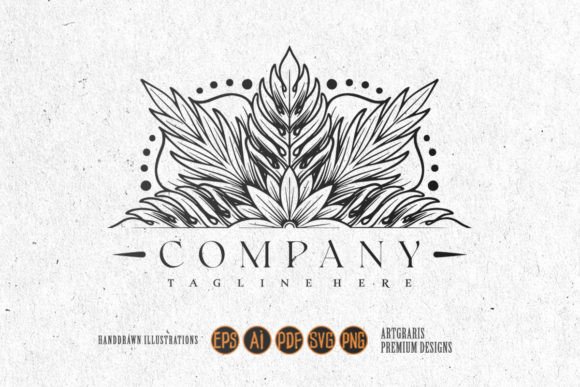
When Tropical Harmony Geometry and Floral landed in my inbox, I paused—not because it’s flashy, but because it breathes. It’s a mandala silhouette built from soft botanical curves and clean geometric scaffolding: fronds nestle into hexagons, petals echo concentric circles, and negative space feels intentional, not empty. This isn’t tropical chaos—it’s tropical balance. As an embroidery designer who’s stitched everything from baby onesies to boutique aprons, I immediately pictured it on a heavyweight organic cotton tote bag: relaxed enough for weekend farmers’ markets, refined enough for a gift-wrapped kitchen towel set.
Where It Shines—and Where It Asks for Care
Tropical Harmony Geometry and Floral works beautifully for custom apparel where clarity matters more than complexity. On a midweight sweatshirt? Yes—its open layout avoids heavy fill stitch density, so the fabric won’t pucker or stiffen. On a linen tea towel? Absolutely—the geometry holds up cleanly in satin stitch borders, while the floral motifs read as delicate, not fussy. For baby embroidery? Its rounded edges and absence of fine interior linework make it forgiving on thin cotton interlock, especially when paired with a lightweight cutaway stabilizer.
But here’s the real talk: this design doesn’t love tight constraints. Avoid cramming it into a 3” hoop for a cap front—it loses breathing room, and those graceful frond tips risk distortion on curved surfaces. Likewise, skip ultra-textured fabrics like bouclé or thick terry unless you’re willing to test stitch tension and stabilizer layers thoroughly. And while it adapts well to dark fabric (especially with tonal thread choices), avoid pairing it with overly busy prints underneath—it’s a harmony piece, not a contrast piece.
Real Project Test: A Boutique Tote Bag Launch
Last month, I used Tropical Harmony Geometry and Floral for a small-batch embroidered tote collection sold through a local craft co-op. We chose natural canvas, 8 oz weight, with black rayon thread for crisp definition and ivory thread for a softer variant. The design scaled cleanly at 4.5” wide—large enough to anchor the bag’s side panel, small enough to leave room for hand-stitched handles. Customers responded strongly to how “calm” and “intentional” it felt—no one said “busy” or “cute.” That matters. When buyers choose handmade over mass-produced, they’re buying presence, not just pattern.
We also tested it as an embroidered patch on denim jackets—heat-applied backing worked fine, but we added a light tear-away stabilizer behind the patch fabric during stitching to keep the mandala’s symmetry sharp. No skipped stitches, no thread breaks. That reliability is gold for Etsy sellers juggling dozens of orders.
What It Adds to Your Finished Product
- Visual appeal: Balances organic warmth and modern structure—rare in tropical-themed embroidery files.
- Stitching clarity: Minimal overlapping paths mean fewer jump stitches and cleaner satin edges.
- Product value: Feels premium without demanding luxury pricing—ideal for small shop product lines.
- Customer trust: Its restraint signals craftsmanship, not clipart recycling.
- Brand consistency: Works across categories—tote bags, pillow covers, even wedding favor tags—without visual whiplash.
Practical Notes Every Embroidery Designer Should Check
Before cutting fabric or loading your machine, treat Tropical Harmony Geometry and Floral like any serious embroidery file—not just a pretty vector graphic. Here’s what I do:
- Test on scrap fabric matching your final project’s weight and stretch—especially important for sweatshirt embroidery or baby embroidery.
- Check thread color contrast using both black and white mockups; some floral details vanish on low-contrast combos.
- Review stitch density visually—if your software shows heavy fill zones, consider simplifying or switching to a lighter fill stitch.
- Confirm hoop size compatibility. This design fits comfortably in a 5” x 7” hoop, but verify before digitizing for commercial embroidery.
- Inspect small corners and inner curves—they’re clean, but always double-check for potential thread nesting on textured fabric.
- Use proper stabilizer: medium-weight cutaway for knits, tear-away for stable wovens, and optional topping for napped fabrics like terrycloth.
- Verify licensing terms if selling finished products or digital embroidery files—this is a Graphics asset, not automatically cleared for resale.
Friendly Truths for Craft Business Owners
If you’re an Etsy seller or small shop owner building a cohesive line, Tropical Harmony Geometry and Floral is a quiet workhorse—not a headline grabber, but a steady performer. It pairs effortlessly with neutral palettes and earthy branding. It doesn’t scream “trend,” which means it won’t feel dated by next season. And because it’s rooted in geometry, it scales predictably: shrink it for a baby onesie chest placement, expand it for a throw pillow cover, or mirror it for symmetrical nursery decor.
It’s also a smart choice for personalized gifts. Add a monogram in clean block lettering below the mandala? Done. Layer it subtly behind a short quote on a holiday embroidery hoop? Works. But don’t force it into roles it wasn’t designed for—skip dense applique designs or intricate running-stitch outlines unless you’re redigitizing it yourself.
Final Thought: Harmony Is a Design Choice
“Tropical” gets overused. “Geometry” can feel cold. “Floral” risks cliché. But Tropical Harmony Geometry and Floral pulls them together with purpose. It’s not decoration—it’s intention made visible. Whether you’re stitching a single custom apron for a chef friend or prepping 50 embroidered patches for a craft fair booth, this design supports your voice instead of competing with it. That’s rare. And that’s why it earns space in my go-to folder of Crafts assets—not as filler, but as foundation.